
In every fantasy tale I’ve ever loved, magic isn’t just a tool—it’s the lifeblood, the pulse that keeps entire worlds alive and shapes both the ordinary and the extraordinary. When I first started writing, I couldn’t resist that spark of wonder that pulls readers into kingdoms they never knew they needed. Sometimes it gleams like glitter or bursts like fireworks, and other times it’s an invisible thread quietly holding a world together, shaping its societies, driving its conflict and its characters toward power, taking it away just when they need it most. I’ve toyed with soft magic, admired hard magic, and even stumbled through dark magic systems so elaborate that days went by where I, yours truly, was partly to blame for being overwhelmed by too much inspiration, completely unsure which kind I want, and yet, that’s where the real joy sits—right here, in the messy fascination of it all. Below you get all information you need about 15 Powerful Types of Magic.
Over time, I realized you can’t just choose only one; more types of magic might be exactly what a story needs. Each section you explore can create a unique magic system that fits the narrative, and I’ve found myself mixing and matching across all 15 Powerful Types of Magic, discovering wild combinations—1,680 different magic systems, if the math holds—that blur the lines, paint new color, and form a truly magical rainbow that’s just plain fun.
Contents
- The Two major schools of magic Hard vs Soft
- Hard Magic
- Soft Magic
- Why Magic Feels Real in Great Fantasy Stories
- 15 Powerful Types of Magic
- 1. Life and Death Magic
- Morality & Transformation
- Restoration vs Destruction
- 2. Elemental magic
- Rare Elemental Control
- Living Magic & World Impact
- 3. Psychic Magic
- The Mind as Power
- Influence, Perception & Dreamworlds
- 4. Blood magic
- Gothic Bloodlines & Forbidden Power
- Memory, Sacrifice & Human Connection
- 5. Esoteric
- Ancient Libraries & Forgotten Runes
- Artifacts, Rituals & Lost Power
- 6. Dream magic
- Dream Magic & Subconscious Power
- Reality, Stakes & Surreal Worlds
- 7. Shadow magic
- Shadow Magic & Darkness as Power
- Consequences & Responsibility
- 8. Conjuring Magic
- Conjuring Magic & Summoning
- Mastery & Control
- 9. Wild Magic
- Wild Magic & Chaotic Forces
- Instinct, Emotion & Unpredictability
- 10. Divine Magic
- Divine Magic & Celestial Forces
- Worship, Power & Influence
- 11. Universal Spells
- Timeless Enchantments & Universal Magic
- Spellcasters, Abilities & Mastery
- 12. Factional Powers
- Factional Powers & Group Dynamics
- Abilities, Strengths & Narrative Impact
- 13. Arbitrary Magic
- Arbitrary Magic & Independent Effects
- Infinite Spell Lists & Narrative Impact
- 14. Time Magic
- Time Magic & Temporal Manipulation
- Decisions, Consequences & Temporal Stakes
- 15. Reality-Altering Magic:
- The Supreme Magic
- How to Create Your Own Magic System (Short Guide)
- 1. Set Clear Rules & Limits
- 2. Choose a Power Source
- 3. Add Costs & Consequences
- 4. Connect Magic to the World
- 🌟 Famous Magic Systems (Quick Examples)
The Two major schools of magic Hard vs Soft
Hard Magic
Hard magic is where structure, logic, and even science govern every spell and ability.
Allomancy & System Rules
In worlds like Brandon Sanderson’s Mistborn, Allomancy—fueled by metals—lets magic-users solve problems within defined rules, limits, and consequences.
Costs, Power & Constraints
Pewter enhances strength, tin heightens senses, and power burns out if overused, creating clear constraints that challenge characters and shape the plot.
Magic as Strategy
Manipulating magic becomes a clever problem-solving tool, keeping action-heavy plots, mysteries, and heists engaging and logical.
Reader Impact
For readers, the detailed systems, solutions, and clear stakes make the magic feel grounded and satisfying, letting them anticipate how magic-users can interact with structure, limits, and science in creative ways.
Soft Magic
Diving into soft magic always feels like stepping into a world woven from myths and fairy tales, where the unknown holds more awe-inspiring potential than anything explained. As a reader, I’ve always been drawn to how soft magic shapes emotional impact, letting story breathe with mystery, wonder, and fear. Unlike rigid systems, the mechanics are subtle, often hinted through the atmosphere, setting, and emotion rather than fully defined, leaving room for imagination to roam.
Tolkien’s Mythic Mystery
When I revisited J.R.R. Tolkien’s Middle-earth, watching Gandalf wield abilities that felt both immense power and yet bound by limits, it reminded me why magic that is elusive and unpredictable can feel profoundly epic.
Unpredictability in Dark Fantasy
The appeal continues in George R.R. Martin’s A Song of Ice and Fire, where magic exists but remains mystique, touching on reanimation, prophetic visions, and otherworldly forces that are never fully explained. The logistics may be sparse, but the stakes, epic scale, and dark fantasy undertones keep readers on edge, immersed in the story. I often find that the unknown elements—be it mystery, emotion, or subtle magic—enhance the atmosphere, crafting awe-inspiring moments where wonder and fear coexist. Every scene, every whispered hint of soft magic, reminds me how enchanting and unpredictable fantasy worlds can truly be.
Why Magic Feels Real in Great Fantasy Stories
Magic as a Real Force
Magic feels real in great fantasy because it’s deeply tied to the world, characters, and the rules of the magic system. When each type of magic has a clear purpose, cost, and impact, it becomes a natural force or a divine gift that shapes society and power dynamics. Flashy spells, glowing swords, or ancient technology are more than visual spectacle; they follow rules, require energy or resources, and influence story outcomes, making the magic system feel consistent, mystical, yet believable.
Balance of Hard and Soft Magic
The best magic types blend hard, rule-based systems with softer, mystical elements, allowing chosen characters access, use, and influence the world in ways that are effective, meaningful, and memorable. By respecting morality, limits, and the shape of the magic, authors create story moments that feel deeply immersive, giving readers the sense that this magic is as real as the characters themselves.
15 Powerful Types of Magic
Here are ultimate list of 15 Powerful Types of Magic in Fantasy & Sci-Fi ,Unveiling the Mystique of Elemental Magic, Arcane Sorcery & Necromancy Across Worlds
1. Life and Death Magic
When delving into necromancy, I’ve always found it fascinating how this discipline allows practitioners to harness the forces of life and death, bending them in ways that feel both awe-inspiring and terrifying. Commonly called life-and-death magic, these systems don’t just reanimate the living or create zombie armies with skeletal motifs; they restore, ravage, and even manipulate the energy that animates all living things. As a writer, I’ve experimented with characters who learn to take this force and channel it through transference, tapping into the abundant ambient energy moving between things, performing healing, or delivering devastating effects. Yet, true mastery often demands a vital sacrifice, a reminder that this primarily exists solely within living beings, making it far more than just plainly magical—it’s a resource that shapes the world entirely.
Example: Zombie Armies, Skeletal MotifsMorality & Transformation
What I love most about Life and Death Magic is its depth: it’s formerly seen as a dark art, but when applied with care, it reveals the bounty of energy that flows around us, offering a canvas where necromancers explore undeath, manipulate forces, and even challenge the natural order.
Restoration vs Destruction
The balance of healing and ravage, the ability to restore or destroy, creates a tension that can define entire systems and worlds, proving that in fantasy, life force is not just abundant,
2. Elemental magic
From my experience diving into worlds of fantasy, elemental forces have always been the cornerstone of truly immersive magic systems. Manipulating the classic elements like fire, water, earth, and air gives a rich and tangible sense of power, while sub-elements such as ice, lightning, and metal bring layers of complexity that can shape personalities and cultures alike. In series like Avatar: The Last Airbender by Bryan Konietzko and Michael Dante DiMartino, bending arts are not just about spectacle—they intertwine with philosophies, moral dilemmas, and personality traits, showing that magic is as much about character as raw power. Similarly, Truthwitch by Susan Dennard highlights a central magic system where control over elements is rare, emphasizing the price of fire magic that burns in pieces of the user’s soul.
Examples: Avatar: The Last Airbender, fire, water, earth, air, ice, lightning, metalRare Elemental Control
What fascinates me is how Tidewitches control water or Windwitches command air, and how creators occasionally introduce unexpected elements like sound, void, or decay, making the world feel alive and unpredictable.
Examples: Truth witch, Fire MagicLiving Magic & World Impact
The way these elemental powers tie into the story can add rare tension, and when wielded with intention, they can profoundly affect the user’s journey and the world they inhabit. Seeing magic as a living system that interacts with the environment, society, and personal stakes transforms a simple fantasy tale into an unforgettable experience.
Examples: Tide witches, Wind witches3. Psychic Magic
The Mind as Power
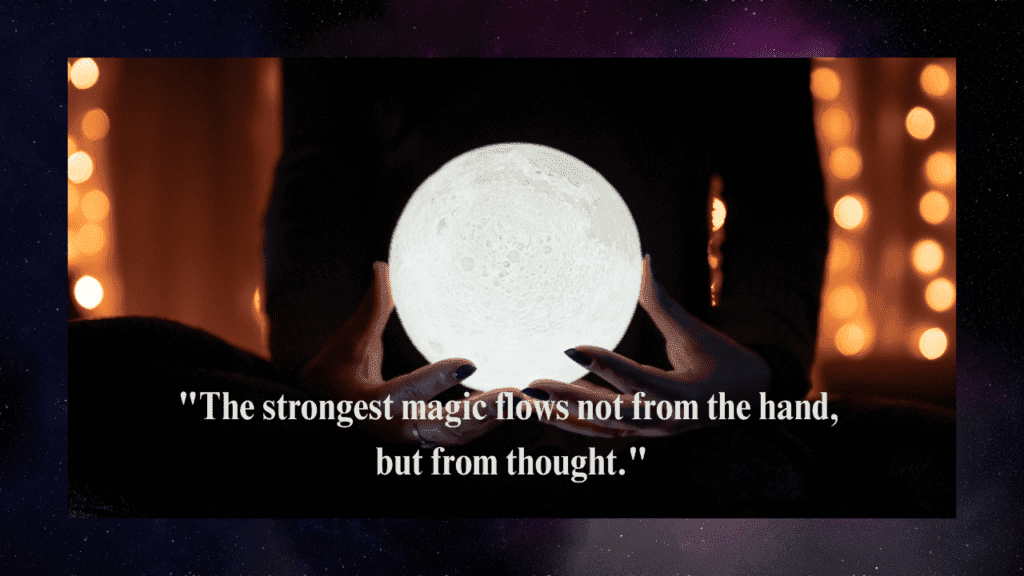
In the realm of psychic magic, the mind becomes both weapon and canvas, allowing psychic mages, telepaths, and enchanters to harness their mental abilities across worlds. I’ve always been fascinated by how psychics hold sway over thoughts, emotions, and the consciousness or subconsciousness of humans and non-human beings alike.
Influence, Perception & Dreamworlds
Within dreams, a subtle push or pull can quicken perception, slow opponents, or effectively stop time entirely, letting a spellcaster anticipate attacks and better navigate combat. From influencing a politician’s major decision to entering the dream world, the domains of psychic magic reveal a science fiction-tinged yet fantasy-rich tapestry where subtle influence can sway individuals or groups, dampening or enflaming ire depending on intention.
4. Blood magic
Gothic Bloodlines & Forbidden Power
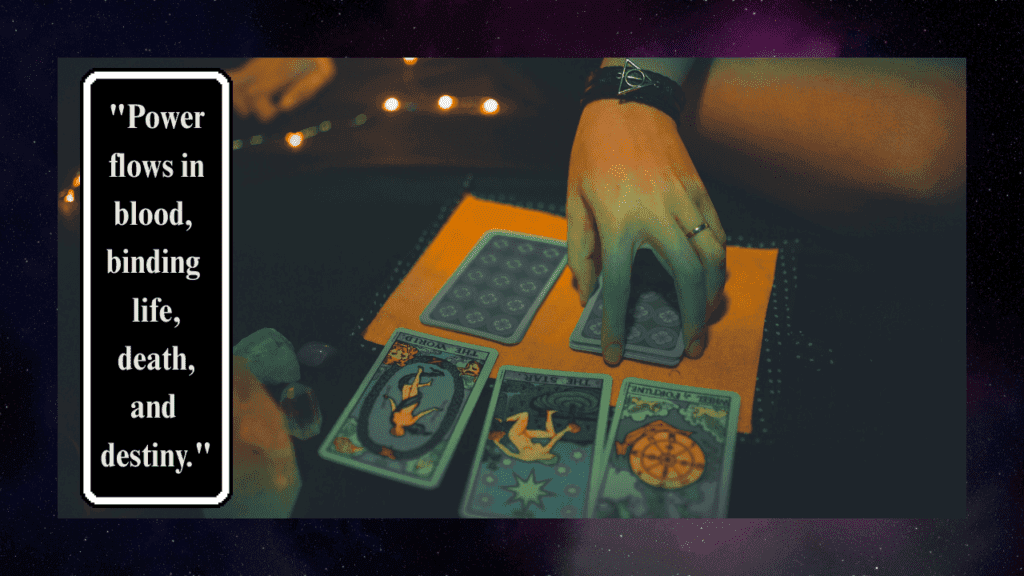
Blood magic dives into a dark, taboo dimension, where sacrifice and literal bloodlines intertwine with symbolic power. Authors like Alicia Jasinska in The Dark Tide and Kristen Ciccarelli in Heartless Hunter depict lush, gothic narratives where blood magic is tied to forbidden love, moral dilemmas, and the raising of stakes with every spell.
Examples: The Dark Tide, Heartless HunterMemory, Sacrifice & Human Connection
Casters channel their own blood or that of others, draining memories and emotional bonds, tying family or life experiences into the world of magic. Far from mere evil, blood magic can serve as a key to salvation, revealing a misunderstood but unique path that forces characters to grapple with moral consequences and the power that comes from intertwining magic, memories, and human connection.
5. Esoteric
Ancient Libraries & Forgotten Runes
Wandering through crumbling books and forgotten runes, I’ve always felt drawn to the allure of rare spell ingredients hidden in vast libraries, where the air hums with ancient, lost knowledge. The esoteric system of classic wizards, witches, and sorcerers thrives in these ruins, full of secret symbols, folklore, and curses written in unknown languages.
Artifacts, Rituals & Lost Power
Each artifact, each ritual, tells a story handed down across centuries, sometimes only rediscovered piece by piece, often partly understood, shrouded in mystery. The legendary, powerful secrets buried in places of history remind me that magic is not just spectacle—it’s a change that can be subtle, demanding one to look away from the ordinary and confront the lost
6. Dream magic
Dream Magic & Subconscious Power
Stepping into dream magic feels like entering another layer of reality, where characters can enter, manipulate, and draw power from the dreams of others. Works like The Raven Cycle by Maggie Stiefvater, following Ronan Lynch, and The Sandman by Neil Gaiman, with The Dream King, Morpheus, showcase the immense power of imagination, storytelling, and the subconscious.
Examples: The Raven Cycle, The SandmanReality, Stakes & Surreal Worlds
I’ve found that when one can pull objects from a dream into reality, the personal stakes and emotional stakes skyrocket, creating a warped world, a surreal world that is both beautiful and dangerous. Nightmares and people alike spill into the waking world, forcing you to experience the creating of magic as a use of the mind’s deepest power.
7. Shadow magic
Shadow Magic & Darkness as Power
In the realm of shadow magic, I’ve learned that darkness is both strength and vulnerability. Through stealth, fear, and the corruption that creeps through forbidden places, one can summon darkness or manipulate shadows to control terrifying creatures. Stories like The Grishaverse by Leigh Bardugo, with The Darkling, and Fourth Wing by Rebecca Yarros, following Xaden Riorson, explore how complex relationships intertwine with literal darkness.
Examples: The Grishaverse, Fourth WingConsequences & Responsibility
The visually striking power of sentient beings in daytime or personal mystery shows that magic, when misused, can betray its master, making every choice a delicate balance between forbidden allure and responsibility.
8. Conjuring Magic
Conjuring Magic & Summoning
When you dive into conjuring, the thrill lies in bending time, space, and worlds at your fingertips. As someone who’s explored countless Dungeons & Dragons campaigns, I’ve seen how mages can summon nouns, people, places, things, and even beasties—from goblins and ghouls to gods and demons—with the flick of a hand. Tools like Mage Hand or Find Familiar bring a sense of playful ingenuity, while teleportation and short-range teleporting let a caster blink, saunter, or pass through portals, moving between dimensions or from one reality to another.
Examples: Dungeons & Dragons, Mage Hand, Find FamiliarMastery & Control
The conjurer’s bread and butter is controlling these summoned creatures, keeping them at the caster’s side, managing distance, and harnessing supernatural transportation without losing grip on reality. I’ve often found that the elegance of conjuring magic comes not just from casting, but knowing when to teleport, conjure, or simply let objects exist across worlds.
9. Wild Magic
Wild Magic & Chaotic Forces
Wild magic has a heartbeat all its own—unpredictable, chaotic, yet powerful, it thrives where strict systems falter. In my experience, tapping into spiraling, intense fear, anger, or joy can produce miraculous or disastrous outcomes, making each spell a gamble. Inspired by Dragonlance and Tortall series, I’ve witnessed how Dungeons & Dragons’ Wild Magic Sorcerer subclass brings chaotic magic zones alive, forcing players to communicate, transform animals, and navigate unique emotions.
Examples: Dragonlance, Tortall, Dungeons & Dragons Wild Magic SorcererInstinct, Emotion & Unpredictability
It’s fan-favorite material, with instinct and emotion driving the magic beyond structured forms. Whether it’s a walking disaster or a moment of pure brilliance, wild magic is a dance with immense potential, tethered to chaos, gods, and the sheer unpredictability that keeps guide and D&D enthusiasts on edge.
10. Divine Magic
Divine Magic & Celestial Forces
Stepping into divine magic feels like holding the pulse of gods, spirits, and celestial beings. I’ve always been fascinated by how priests, prophets, and conduits channel divine power—from Rin in The Poppy War wielding the vengeful fire god, to the worlds in The Inheritance Trilogy where divine magic defines the balance of life.
Examples: The Poppy War, The Inheritance TrilogyWorship, Power & Influence
Here, worship energy fuels spells, but divine magic failing signals weaker gods, and the gifts granted sparingly remind you that constant worship is the backbone of a divine world. Everything—from mental stability to destructive magic—depends on the influences of these granted powers, shaping a world ruled by gods, where divine magic can serve, protect, or destroy, echoing across every trilogy that explores the tension between mortals and their celestial patrons.
11. Universal Spells
Timeless Enchantments & Universal Magic
From my experience exploring countless worlds of magic, there’s something thrilling about enchantments that feel lost to time yet carry profound effects. Hexes, curses, and different spells create layers of intrigue, while universal magic showcases the knowledge level and skill of spellcasters.
Spellcasters, Abilities & Mastery
Every person in a group brings abilities that transform a long list of possible spells into tangible power, making each spell a testament to creativity and strategy. I’ve often found that the real mastery lies in blending magic, spells, and abilities in ways that are unpredictable yet mesmerizing.
12. Factional Powers
Factional Powers & Group Dynamics
On the other hand, Factional Powers reveal the raw, unique essence of groups like vampires and werewolves, where conflicts and fights define stories. Assigning spells or abilities to a group-wide system highlights strengths and exposes weaknesses, turning every character into a critical player.
Examples: vampires, werewolvesAbilities, Strengths & Narrative Impact
Watching interesting dynamics unfold while scratching my head at the clever twists of factions made me appreciate the depth of powers in these universes. Even the simplest sort of abilities can shift the balance, proving that powers aren’t just tools—they’re narrative engines driving every encounter.
13. Arbitrary Magic
Arbitrary Magic & Independent Effects
Arbitrary magic has always been my favorite because it is crafted to have magical effects that happen independently. Spells from an arbitrary list can freeze objects, change colors, or remove scents, following guiding principles that allow the protagonist or their familiar to continue learning.
Infinite Spell Lists & Narrative Impact
Each spell list is practically an infinite list, offering various effects that a storyteller can introduce to generate exciting conflicts, magic conflicts, and plot holes, all while maintaining powerful narrative momentum.
14. Time Magic
Time Magic & Temporal Manipulation
The intricacy of Time magic never ceases to amaze me. Manipulating the past, present, and future introduces complexity and depth that few types of magic achieve. In works like The Ten Thousand Doors of January by Alix E. Harrow or Robert Jordan’s The Wheel of Time, magical doorways let characters travel across worlds, exploring realities while weaving the Wheel of time.
Examples: The Ten Thousand Doors of January, The Wheel of TimeDecisions, Consequences & Temporal Stakes
Critical decisions made in a single moment can fracture the timeline, pause events, or age characters rapidly, making the story tense and filled with wonder, mystery, and unique challenges that require a price for using such power.
15. Reality-Altering Magic:
The Supreme Magic
Reality-altering magic isn’t just strong — it rewrites the rules of existence. Unlike elemental, healing, or summoning magic, this type can bend time, reshape worlds, or even erase events as if they never happened. Characters who wield it often stand closer to gods than mortals, because their abilities don’t have normal limits.
This magic allows its users to manipulate space, timelines, matter, emotions, probability, and even fate, turning them into unstoppable forces. In many stories, reality-benders are rare for a reason — their power can unravel entire worlds with a single mistake. From ancient beings who crafted the universe to powerful mages who glimpse secrets buried outside time, reality magic is the ultimate expression of fantasy power.
How to Create Your Own Magic System (Short Guide)
Creating a magic system is one of the most exciting parts of fantasy writing. A good system feels believable, adds tension, and makes your world unforgettable. Here’s a quick, easy breakdown.
1. Set Clear Rules & Limits
Magic becomes more interesting when it has boundaries. Decide what magic can and cannot do, how spells work, and what causes magic to fail. Consistent rules make your world feel real.
2. Choose a Power Source
Every magic system needs a source. It could come from nature, gods, the stars, emotions, or even enchanted items. Your power source shapes your world’s culture, religion, and technology.
3. Add Costs & Consequences
Great magic always has a price—fatigue, rare ingredients, emotional strain, or even social consequences. Costs create tension and prevent characters from becoming too powerful.
4. Connect Magic to the World
Show how magic affects daily life. Are mages respected or feared? Are there schools, laws, or guilds? Does magic replace technology or work alongside it? The more magic influences society, the richer your world feels.
🌟 Famous Magic Systems (Quick Examples)
Harry Potter – Soft, whimsical magic with strong world integration.
The Witcher – Dangerous, disciplined magic with real risks.
Dungeons & Dragons – Structured spells and classes with clear mechanics.
Mistborn (Allomancy) – Hard magic powered by burning metals; highly rule-based.
Wheel of Time – Deep, culturally shaped magic tied to the One Power.
Read More : Magic Card Size Guide: Exact Dimensions & Pro Tips
2 thoughts on “15 Powerful Types of Magic in Fantasy & Sci-Fi”