
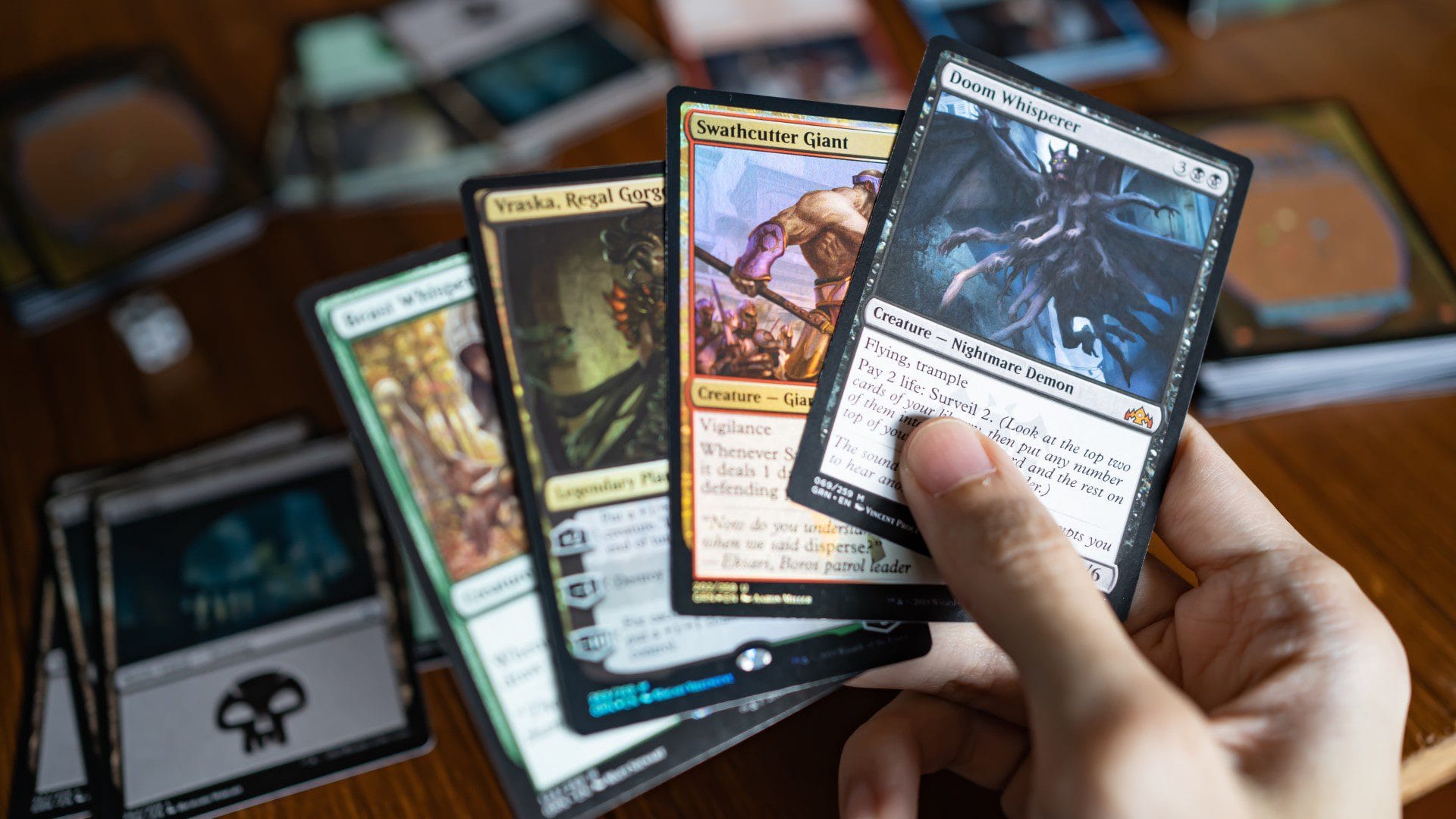
As a semi-experienced player, I’ve learned that while standardized MTG card sizes exist, slight deviations in releases like Plane chase, Commander oversized, and promo cards make it essential to understand true dimensions. This knowledge is vital to verify authentic cards, decide if a proxy MTG card fits, and ensure your collection stands out when placed alongside authentic cards. Here is the complete Magic Card Size Guide: Exact Dimensions & Pro Tips.

What Is the Official MTG Card Size?
MTG cards measure 63 mm × 88 mm (≈2.48 × 3.46 inches), slightly smaller than standard cards. Knowing the exact sizing is vital for competitive play, ensuring fairness, and picking compatible accessories like card protection and storage designed for this wide range.
Sleeves and boxes sized 2.5 × 3.5 inches keep cards safe, making shuffling, deck building, and gameplay smoother for serious MTG players.Exact Magic: The Gathering card dimensions
The standard MTG card size is:
- 2.5 inches x 3.5 inches (63.5 mm x 88.9 mm)
- Corner Radius: 2.5 mm (0.1 inches)
- Thickness: ~0.012 inches (0.305 mm) for non-foil cards
- Weight: ~1.75 grams
The thickness of an MTG card averages around 0.012 inches (0.305 mm), giving it the familiar sturdy, flexible feel players recognize instantlyWhy MTG Card Dimensions Matter?
Maintaining the correct MTG card dimensions ensures:
- Compatibility with standard sleeves (66 mm x 91 mm)
- Gameplay: Fairness in gameplay and tournaments
- For Protection: Consistent shuffling and deck handling
- Requirement: Unmarked cards—essential for competitive play
Even a little difference of a few millimeters in Magic card size can matter. The official MTG card size is 2.5 x 3.5 inches (6.35 x 8.89 cm). Using the right size avoids suspicion, disqualification, and issues in sanctioned events, while making friendly play, deck build, testing, or selling smoother.
Keeping cards precisely sized improves shuffling, storage, and overall gameplay. From experience, sticking to the official ruling ensures fair play and better results every time.Weight and Handling of a Standard MTG Card
A typical MTG card weighs roughly 1.7 grams, depending on edition, foil treatment, and printing era.
This impacts:
- How decks shuffle
- How cards stack
- How foil cards curl or warp
- Tournament handling and randomization
When it comes to Magic the Gathering cards, especially foil cards, understanding their size and weight is essential. Foil cards tend to be heavier due to extra manufacturing layers and are more prone to curling or slight deviation from standard MTG card measurements. From my experience, always weigh cards to verify their authenticity and ensure they don’t line up improperly in sleeves. Getting a second opinion on unusual thickness or weight can save headaches during competitive play.
Proper sleeve compatibility relies on knowing the expected size and weight. Sleeves that fit standard Magic the Gathering cards snugly prevent warping and protect from bending, especially for foil cards that might behave differently under pressure. I’ve found that double-checking MTG card measurements before buying sleeves or deck boxes avoids costly mistakes, keeping your collection safe and playable.
Because Magic cards follow a standardized size, they fit perfectly into:
- Standard TCG sleeves (63.5 mm x 88 mm)
- Perfect-fit inner sleeves
- Top loaders
- 9-pocket binder pages
When it comes to protecting cards, sleeving your MTG cards is vital. Choosing the right sleeves is essential for maintaining their condition and preventing bending, whitening, moisture, or other damage during play or while you regularly attend events. I’ve found that standard sleeves sized around 66 mm × 91 mm often provide a snug fit, but the perfect fit usually comes from measuring your cards and testing 64 mm × 89 mm options for standard fit. Double sleeving with a combination of inner and outer sleeves adds levels of protection that are non-negotiable for serious collectors.
Fitting MTG Cards in Binders & Deck Boxes
Handling Magic: The Gathering cards properly starts with understanding their exact size. Each MTG card measures 63 mm × 88 mm (≈2.5 × 3.5 inches)—slightly different from standard cards—which makes choosing the right binder, pockets, deck boxes, or storage vital for safe keeping. From personal experience, using well-sized storage not only prevents long-term damage but also makes handling, portability, and organization much easier, allowing a player to maintain durability and preservation of their collection.
Understanding these dimensions and measurements also supports better gaming strategy, setup, and maintenance. Protection and organization tailored to the correct size improve convenience, reduce wear, and keep your deck ready for competitive play, making collection preservation and smooth handling a seamless part of your Magic experience.
- Binder pocket sizing guide
MTG cards fit best in binders with 9-pocket or 12-pocket pages designed specifically for Standard TCG cards. Each pocket sized 66 × 91 mm gives enough space for sleeved MTG cards without squeezing or scratching edges.
Using properly sized pages keeps cards secure, organized, and easy to flip through, protecting your collection for both casual and competitive play.- Compatible storage options
Top-tier brands like Ultra Pro, Dragon Shield, BCW, and Vault-X offer binders, deck boxes, and pages with 100+ capacity to make room for double-sleeve protection. Labeled, thicker pages and oversized fit options include everything needed to protect your cards and keep them competitive.
Knowing exact sizing helps pick the right storage and accessories, ensuring compatibility and card protection for a smooth gaming experience.
- Avoiding bending / warping
- When storing cards, it’s important to avoid curling or warping caused by hot, humid areas. I always use binders with side-loading pages to hold cards securely upright, leaving no room for bending. For decks, hard shell boxes with magnetic closure protect from pressure and bending, keeping each card safe during transport or play.
Artwork and Printing Dimensions
Handling The Gathering (MTG) cards goes beyond appreciating the artwork; exact sizing is vital for competitive play and ensuring fairness. The cards are precisely measured at 63 mm by 88 mm (approximately 2.48 inches × 3.46 inches), making them slightly smaller than standard trading cards. From experience, choosing accessories like sleeves and card protection designed for this wide range ensures compatibility and proper storage.

Proper sizing affects gameplay more than most realize. Using sleeves or boxes around 2.5 inches × 3.5 inches keeps cards secure, smooths shuffling, and preserves the deck. Paying attention to these exact measurements enhances both the play experience and the longevity of your MTG cards.
Oversized MTG Cards & Specialty Variants
Most MTG cards follow uniform sizes, but special, oversized, or promo editions like Commander or Plane chase have unique measurements. A second look can immediately reveal collectible vs fake cards, ensuring smooth gameplay and proper display at events.
Plane chase, Commander, Oversized, Promo Cards
MTG releases include Plane chase, Commander, oversized, and promo cards that often have unique measurements compared to standard cards. These special editions are larger, making them stand out for display, collectible purposes, and gameplay twists. Serious players quickly look for the uniform sizes in their set or releases to spot fake cards or discounting mistakes, especially with Magic: The Gathering promotional and oversized cards.
How to Store and Sleeve Them
To protect your MTG collection, store and sleeve oversized and specialty cards properly using appropriately sized sleeves, binders, and display cases. This prevents bending, scratches, and damage, keeping your cards playable and in top condition while allowing safe display of your collectible Magic.

Popular sleeve brands like Ultra Pro, KMC, and Dragon Shield offer unique features that help protecting cards from wear and tear. Properly sleeving ensures a snug fit, prevents damage, and enhances the play experience by keeping cards pristine. Recommended sleeves are those that match the card dimensions closely, giving a perfect fit without excess bulk, making sleeving not just essential but a smart strategy for long-term collection care.
Comparisons With Other Trading Card Games
Trading Card Game | Size | Same as MTG? |
|---|---|---|
Pokémon | 63 × 88 mm | Yes |
One Piece | 63 × 88 mm | Yes |
Yu-Gi-Oh! | 59 × 86 mm | ✘ No (smaller) |
Standard Playing Cards | 63.5 × 88.9 mm | Yes |
Importance of Size Consistency & Authenticity Checks
Consistency in card size is a key factor for maintaining a fair level of playing on the field during competitive play. Using marked cards or mismatched decks can disrupt gameplay, but sticking to uniform cards prevents confusion and ensures smooth play. From my experience, paying attention to size and use of each card reduces the likelihood of cheating while keeping the playing field even for all participants.
For collectors, organizing, displaying, and preserving cards in uniform size is just as important. Proper condition management over time aids in maintaining the value and integrity of the collection, making it easier to manage decks and enjoy competitive play without interruptions.
How card size helps identify fakes?
When looking at a single Magic card, the exact dimensions—2.48 inch by 3.46 inch—are standard yet easy to notice if you scrutinize closely. Many players unknowingly overlook size, which can show up as a massive surprise during a tournament when fake or improperly sold cards are turned away. Knowing exact dimensions is vital to need the right card pro tips, whether for outside bounds protection, sleeves, or new card accessories.
From my experience, paying attention to size prevents issues with powerful deck setups and ensures fair play. Cards slightly off standard can cause chaos, so further inspection before tournaments is essential. This guide helps players stay sharp, avoid mistakes, and maximize Magic strategies without being caught off guard.- Thickness, borders, alignment tests
When evaluating an MTG card, precise measurement and exact dimensions are real essentials to protect your collection. From personal experience, the official prints follow strict standards in width, thickness, and border alignment. The black, blue, and red borders are always consistent, and the frame, artwork, and text never appear shifted or misaligned. Checking the corner roundness, print texture, and rosette pattern under light can quickly spot a fake. Side-by-side comparison with a verified card often reveals if a card feels noticeably thinner or thicker, off, fuzzy, or uneven — all red flags when confirming a card’s authenticity.
Even the wallet-friendly core cards in your collection feels different when genuine versus counterfeit. Misaligned image, inconsistent frame, or uneven border alignment can ruin gameplay and investment. Taking a quick real look at print, border, and texture helps maintain the integrity of your MTG collection, protecting it from fake cards while ensuring your decks are tournament-ready.
Custom Cards & MTG Proxies
What are proxy cards?
For any MTG enthusiast, mastering the strategy and skill of the game involves appreciating the art and detail of every card. Proxy or true, the right handling and getting familiar with each card enhances your play.
Playing well also means knowing what comes with each card. True or proxy, attention to cards, art, and detail sharpens your skill and enjoyment of MTG
- Proxy cards are copies of the real card and are used as a substitute for the real thing.
Legal vs Illegal Usage
MTG proxies are perfect for casual, friendly, kitchen-table play or testing decks without risking real authentic cards. Using them in official tournaments or to sell/claim as real is illegal and not allowed.
- Mark proxies clearly to avoid confusion, letting you try new strategies and become a better player while keeping real cards safe.
When Proxies Are Allowed?
When you’re building decks in Magic: The Gathering, proxies are perfect for playtesting expensive originals without damaging your collectibles. Use them in casual or fun sessions, but never in sanctioned events. Protecting originals is vital.
Mixing proxies for playtesting with real cards keeps building decks enjoyable and safe, letting you focus on strategy while keeping your collectibles intact.
Related Post
- 25 Beyond Good and Evil Quotes Explained: Nietzsche’s Most Powerful Ideas
- Who Was Thomas Jefferson Knight? History, Confusion, and Facts Explained
Designing Custom MTG Cards With Correct Size
When designing custom Magic cards, following the official size of 63×88 mm (2.5×3.5 inches) is vital. Proper alignment, border, and thickness ensure the cards fit perfectly in sleeves, binders, and deck boxes. From my experience as an MTG enthusiast, clean, professional cards always stick properly and keeps decks looking polished. Paying attention to detail elevates the art, strategy, and skill in every game, and also makes proxies blend seamlessly with true cards.
Tips and Tricks for Getting the Right MTG Card Size
When making custom MTG cards, sticking to official dimensions of 63 × 88 mm ensures they fit in sleeves, binders, and deck boxes perfectly. Use a high-resolution template, check borders, bleed, lines, and thickness, and always double-check to avoid printing mistakes. Proper design keeps your cards playable alongside official ones.
What is Magic: The Gathering and How Do I Play?
Magic: The Gathering is a strategy trading card game where players use creatures, spells, and abilities to reduce an opponent’s life total to zero. Casting cards, building synergies, and tactical plays are key to outsmarting opponents. Success comes from smart deck building and knowing your cards inside out.
FAQS
- What is the actual size of a Magic card?
A standard Magic: The Gathering card measures 63 × 88 mm (2.5 × 3.5 inches). This is the same as standard poker-size cards used in most trading card games.
- What size are magic cards sleeved?
When sleeved, MTG cards typically measure around 66 × 91 mm, depending on sleeve thickness. Premium or double-sleeved cards can be slightly larger.
- Is a standard card A5 or A6?
A Magic card is neither A5 nor A6—those are paper sizes. MTG cards follow standard TCG poker dimensions, which are much smaller.
- How many MTG cards fit on 8.5 × 11?
You can fit 9 full Magic card-sized templates on an 8.5 × 11-inch sheet when printing proxies. This layout is commonly used for printing custom test cards.
- Is 5×7 a standard card size?
No—5×7 inches is a photo/print size, not a trading card size. Magic cards remain at the universal 2.5 × 3.5 inches.
- What is the 75% rule in MTG?
The 75% Rule suggests building a Commander deck that’s strong but not overpowering—about 75% as powerful as top-tier decks. It keeps games challenging, fun, and fair for everyone.