

Reading Nightbitch by Rachel Yoder, I found myself istantly afraid yet charmed by the idea of a woman turning into a dog while navigating early motherhood. The mother of a two-year-old kid, she is caring, relating deeply to the struggles of domestication and the mental chokehold that often follow daily life. There’s an honest tension between feeling thin, smart, or happy and face to face the raw fear of losing oneself. In this best-selling novel, the protagonist’s journey is transforming, as she gradually begins to relish her fleeting freedom, huge the surreal energy of Teen Wolf and the reflective nuance found in Rachel Cusk’s A Life’s Work. Now lets talk about What is Nightbitch.
Contents
- What Nightbitch Is Actually About (Simple Explanation)
- Quick Summary of the Plot
- Overall Rating
- Themes of Nightbitch: What Rachel Yoder Really Explores
- Why the Mother Turns Into a Dog in Nightbitch
- Is Nightbitch Horror, Fantasy, or Satire?
- Rachel Yoder’s Inspiration & Author Insights
- Why Readers Love (and Dislike) Nightbitch
- Is Nightbitch Feminist Literature?
- What Nightbitch Says About Modern Motherhood
- Connection to Myth, Folklore & Transformation Narratives
- Movie Adaptation: What We Know So Far
- Who Should Read Nightbitch? (Honest Recommendation)
- Nightbitch FAQs
What Nightbitch Is Actually About (Simple Explanation)
What drew me to Nightbitch — the title, the cover, or the promise of transformation — was likely all three. While the novel examines motherhood’s impact on women and the household, it is also a story of feminine rage, anger, and what happens when life-altering events like having a child reshape not just how, but who, we are.
Quick Summary of the Plot
Watching Amy Adams as Mother in Nightbitch really captures the crushing reality of being a mother to a 2 year old boy like Arleigh or Emmett Snowdon. Her mental state is on the edge, with self-confessed hypochondriac thoughts and a sense of being unsupported. The travelling husband, Scoot McNairy, feels useless, leaving Mother to navigate the challenges of home life almost alone. The story shows how a former, acclaimed, artist slowly changes, turning into something primal, almost a dog, as she copes with exhaustion and death of spirit.
Directed by: Marielle Heller
Marielle Heller brings this surreal motherhood journey to life, showing the strain, isolation, and moments of raw intensity. The tension between lack of supporting care and relentless responsibilities makes the story feel vivid and relatable, letting the audience truly feel the spirit of Mother as she struggles yet persists.
Written by: Marielle Heller. (Based on the book by Rachel Yoder.)
Running Time: 1h 38m.
Overall Rating
Storytelling & Themes: ⭐⭐⭐⭐⭐⭐ 4.5/5
Characters: ⭐⭐⭐⭐⭐ 4.25/5
Writing Style: ⭐⭐⭐⭐⭐⭐ 4.5/5
Overall Enjoyment: ⭐⭐⭐⭐⭐ 4.25/5
Average Rating: ⭐⭐⭐⭐⭐ 4.4/5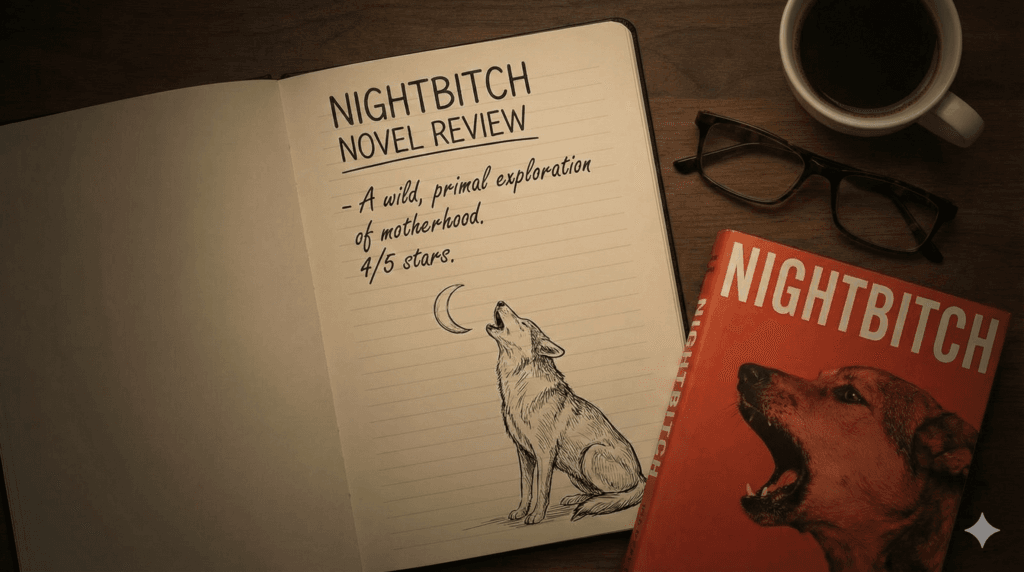
Themes of Nightbitch: What Rachel Yoder Really Explores
Reading Nightbitch, I was struck by how Yoder captures the deeply emotional landscape of being a mother, where shifting identity and hidden anger burn below the surface. The story lays bare the tension between sense and responsibility, showing how private life and its harsh pressures can completely change a woman’s world in ways she never expects. The miraculous yet lonely aspects of motherhood emerge strongly , making the experience both warm and unsettling. In this narrative, the transformation isn’t about literally turning into a dog, but opposing those wild, repressed feelings that so many women carry quietly.
What stayed with me most was Yoder’s use of surrealism to illuminate truths we often ignore—the primal urges, the inner fractures, and the subtle evolution of the female spirit as it navigates the weak space between motherhood and womanhood. Her writing makes the normal domestic rhythms feel intense, almost alive, while highlighting the emotional swings that can push a mother to the end. Experiencing the novel felt like interested into a mirror of raw honesty, where the joys and pressures of raising a child coincide with the internal fractures and internal evolution that define the modern parental journey.
Why the Mother Turns Into a Dog in Nightbitch
Nightbitch dives into the messy, raw side of motherhood, where daily care giving, anger, and collapse mix with a love for freedom. Yoder transforms a mother into a dog, a symbolic expression of hidden feral feeling, relaxed emotions, and primal status. It’s a story of change, transformation, and the rediscovery of self, showing how mothers can feel both dehumanized and qualified by the process.
The book captures the tension between actual and symbolic shifts—the literal shift of the central character and the internal change every woman experiences. Reading it feels like uncovering the wild, untamed parts of yourself, making motherhood not just a challenge, but also an empowering journey.
Is Nightbitch Horror, Fantasy, or Satire?
Nightbitch mixtures of dark fantasy, body-horror, and social satire to explore the rare truths of early motherhood. The mother’s transformation is both scary and weird, while humor and fantasy basics soften the power, revealing cruel honesty about identity and parental pressure.
The scare in the novel isn’t straight; it’s the psychological untying of a mother navigating unreal shifts. Yoder’s mix of fantasy, humor, and sharp irony creates a moving yet reflective story that captures the chaos and liberation of parental life.
Rachel Yoder’s Inspiration & Author Insights
Rachel Yoder’s Nightbitch dumps into the raw, animal side of motherhood, exploring fatigue, identity loss, and the pressure on women and mothers. Through interviews, reflections, and lived experience, she represents animal transformation as a symbol for rage, survival, and the psychological depth of parenting, making the novel feel realistic and emotional.
Her writing mergers creativity with plain reality, capturing moments of rage, quiet survival, and the instinctual drives that shape life. Novel, motherhood, and authentic experiences strike to offer readers a rich, reflective, and deeply personal view of emotional and psychological depth.
Why Readers Love (and Dislike) Nightbitch
What readers loved:
• Its brutal, unfiltered honesty about motherhood
• Dark humor mixed with emotional truth
• A strange, brave storytelling style that feels fresh
What some didn’t:
• Uncomfortable themes about temper and identity
• Strange, surreal moments that can feel confusing
• A structure that doesn’t follow traditional storytelling rules
Is Nightbitch Feminist Literature?
Nightbitch confronts the hidden labor and pressures of motherhood, exploring loss, identity, and the messy, wild instincts of women. The novel celebrates reclaiming one’s liberation, showing how perfect, patient acts coexist with chaotic reality. Readers are invited to consider the tension between societal expectations and authentic experience, making this a deeply feminist reflection on modern motherhood.
What Nightbitch Says About Modern Motherhood
Nightbitch captures the emotional reality of modern mothers, highlighting the responsibility, identity, and constant shifts they navigate. Through representation, Yoder reveals motherhood’s struggles, sleep deficiency, pressure, and the balance of primal characters with sensitivity and strength.
The novel engages you in the messy, surreal experience of modern guiding life, making identity, responsibility, and shifts feel immediate, intimate, and deeply human.

Connection to Myth, Folklore & Transformation Narratives
Jumping into Yoder’s novel, I couldn’t help but notice how the story taps into timeless folklore and classic tales, where women undergo profound conversion. The turning of regular lives into extraordinary experiences, sometimes shape shifting into animals, carries repeats of rituals and heroes, tied to survival and self-discovery. In my own reading, the anger and liberty in the narrative felt like a personal mirror, where rebirth and transformation symbolize both the struggles and the quiet victories of motherhood. These booms of storytelling tradition make the experience timeless, giving every shift in identity a layer of ritual and transformation that resonates long after the page is closed.
Movie Adaptation: What We Know So Far
From early details, the film adaptation of Nightbitch starring Amy Adams brings Yoder’s novel to the screen with a surreal, emotional world. The movie blending fantasy, dark humor, and unsettling elements, closely mirrors the themes of identity, motherhood, and transformation from the book. As someone who loves seeing literary fiction come alive visually, I see how plots layered with emotional depth and magical realism resonate perfectly for readers and mothers alike. The narrative shifts in the screen version exploring the same identity and creative tension found in the story, making it a perfect experience for creatives who enjoy both introspective themes and the straightforward spectacle of cinematic adaptation.
Who Should Read Nightbitch? (Honest Recommendation)
This book is ideal for readers who enjoy literary fiction with emotional depth, magical realism, and dark humor. The plots, while straightforward, resonate deeply with mothers, creatives, or anyone exploring shifts in identity. It’s a perfect mix of emotional depth, themes, and identity exploration, making it a suitable read for those seeking both enjoyable narrative and resonant storytelling.
Nightbitch FAQs
Why is Nightbitch called Nightbitch?
The book is called Nightbitch because it symbolizes a mother’s primal instincts, emotional rebellion, and surreal transformation as she navigates the chaos of early motherhood.
Is the mother in Nightbitch really turning into a dog?
Not literally. The mother’s dog transformation is a metaphor for identity shifts, emotional release, and the freedom and frustrations of motherhood in Rachel Yoder’s surreal novel.
Is Nightbitch a feminist novel?
Yes. Nightbitch explores feminist themes by challenging traditional motherhood roles, highlighting domestic pressures, and showing a woman’s journey toward self-discovery and empowerment.
Is Nightbitch scary?
While not a horror novel, Nightbitch can feel psychologically unsettling. Its surreal imagery and intense emotions reflect the anxiety and isolation many mothers experience, making it haunting in a literary sense.