
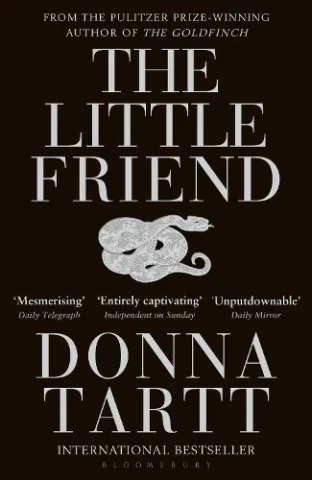
When readers first encounter The Little Friend, they often wonder, why is it called The Little Friend? On the surface, the title sounds gentle and innocent, yet the story beneath is layered with darkness, grief, and complex family struggles. Written by Donna Tartt, a Pulitzer Prize winning author and acclaimed contemporary American novelist, the book belongs to American literary fiction and reflects the richness of modern Southern literature.
Set in Alexandria, Mississippi, the novel explores Harriet Cleve Dufresnes’ journey through loss, trauma, and coming-of-age challenges. Its murder mystery subplot misleads readers at first, but the true focus lies in the emotional aftermath of tragedy, making the title both symbolic and deeply meaningful.
Review: The Little Friend by Donna Tartt
The Little Friend is often mistaken for a thriller because of its murder mystery subplot. The novel begins with Robin Cleve Dufresnes death. That shocking event shapes the entire story. Many readers expect a crime solution. However the novel focuses more on the aftermath of tragedy than on solving a crime.
This confusion explains the divided Goodreads reviews. Some readers feel misled because their crime fiction expectations are not met. Others praise the emotional depth and layered narrative. To understand why is it called The Little Friend, you must first accept that this is not a typical mystery. It is a slow burn about grief and childhood.
1. Introduction to The Little Friend
Set in a small-town Mississippi setting, the novel follows Harriet Cleve Dufresnes, a young girl growing up in Alexandria, Mississippi. Years earlier, her brother Robin was found dead. His killer was never identified. That unsolved loss shapes the entire family.
On the surface, the book seems to center on revenge. However it is truly a coming-of-age story. It explores grief and trauma, fractured family dynamics, and a fading Southern way of life. The question of why is it called The Little Friend begins here. The title points toward innocence rather than crime.
Why the Title Creates Immediate Curiosity
The phrase “little friend” feels tender. It does not sound violent. That tension draws readers in. You expect comfort. Instead you find sorrow. This contrast makes the title powerful and memorable.
2. About Donna Tartt and Her Literary Style
Donna Tartt is widely known for The Goldfinch, which won major awards, and for The Secret History. Both novels established her as a serious voice in American literary fiction. As a Mississippi author, her roots strongly influence her depiction of the South.
Her writing is known for slow-paced storytelling and psychological depth. She builds complex characters and detailed settings. She prefers ambiguity over clear answers. That habit explains the multiple interpretations of the title in The Little Friend.

How Tartt Uses Ambiguous Titles
In The Goldfinch novel and The Secret History novel, the titles carry symbolic weight. They are not literal clues. They invite thought. In the same way, the name The Little Friend works as metaphor, memory, and mystery all at once.
3. Plot Summary (Spoiler-Free)
The novel opens with Robin Cleve Dufresnes death, a tragedy that shatters his family. Years later, his younger sister Harriet grows curious. She becomes obsessed with discovering what happened. This obsession drives the story forward.
However the plot is less about catching a killer and more about the emotional damage left behind. The family struggles with hoarding and depression, mental health struggles, and deep generational trauma. The focus remains on emotional consequences rather than action.
Is The Little Friend a Murder Mystery?
Many readers approach the book as crime fiction. That expectation shapes their reaction. In truth, it is a character-driven novel with strong atmospheric writing. The murder mystery subplot exists. Yet it remains secondary to grief.
4. Full Plot Summary (With Spoilers)
As the story unfolds, Harriet believes the Ratliff family may be connected to her brother’s death. She befriends Hely and investigates secretly. She even steals a snake to use as revenge. This snake becomes important when asking why is it called The Little Friend.
The novel ends without revealing a clear killer. The unresolved ending and ambiguous conclusion frustrate some readers. Yet this choice reflects Tartt’s style of open-ended storytelling. The emotional truth matters more than legal closure.
The Moment That Changes the Meaning of the Title
A key detail involves Danny Ratliff. On the day Robin died, Danny wanted to play with him. He was turned away by Ida. This moment suggests Robin might have lived if his little friend had stayed. That subtle hint gives the title deep emotional weight.
5. Main Characters Analysis
Harriet stands at the center of the novel. She is brave yet vulnerable. Her mother Charlotte suffers deeply from grief. She retreats into isolation and hoarding. Her grandmother Edie clings to old traditions. These strained relationships show a deeply dysfunctional family.
The Ratliffs represent a different side of Southern poverty and struggle. Danny Ratliff is especially important. He may be the literal “little friend” of the title. His brief presence carries heavy meaning.
Related Post
- 25 Beyond Good and Evil Quotes Explained: Nietzsche’s Most Powerful Ideas
- 32 Humorous Monologues for Females | Funny, Relatable & Audition-Ready Pieces
- Remarkably Bright Creatures Review + Download
Who Is the “Little Friend” in the Novel?
The title may refer to Danny. It may point to the snake. It may symbolize lost childhood innocence. These multiple interpretations of the title make the book richer. Tartt leaves room for thought.
6. Themes Explored in The Little Friend
The novel explores grief and trauma in detail. It shows how families respond differently to loss. Charlotte collapses under sorrow. Harriet seeks answers. This contrast highlights complex family dynamics.
Other themes include loss and healing, the fading Southern way of life, and deep generational trauma. The story also shows how children navigate mental health struggles in silence. These themes explain why is it called The Little Friend. The title reflects innocence surrounded by pain.
How the Title Reflects Lost Innocence
The phrase suggests purity. Yet the story reveals corruption and sorrow. The title becomes ironic. It marks the end of safety.
7. Writing Style and Narrative Structure
Tartt’s style is deliberate. Her slow-paced storytelling allows space for reflection. She builds scenes carefully. Her atmospheric writing captures the heat and stillness of Mississippi.
The book uses literary symbolism and a layered narrative. Every detail matters. The title is part of that structure. It connects to character, theme, and memory.
Why the Ambiguous Ending Reinforces the Title Meaning
The ambiguous conclusion mirrors real life. Not every loss is explained. This reinforces the emotional message behind the title.
8. Strengths and Weaknesses of the Novel
The novel’s strengths include deep characterization, emotional honesty, and rich setting. It offers strong psychological depth and explores the aftermath of tragedy in a realistic way.
Some readers criticize the pacing and the unresolved ending. They feel the murder mystery subplot should have clearer answers. Yet this criticism often comes from unmet genre expectations rather than weak writing.
| Strengths | Weaknesses |
|---|---|
| Deep character study | Slow pacing |
| Rich Southern setting | Ambiguous ending |
| Emotional realism | Not a traditional thriller |
Why Some Readers Misunderstand the Title
Many readers expect a crime novel. When they do not get one, disappointment follows. The title reflects theme rather than plot. That subtlety can be missed.
9. Is The Little Friend Worth Reading? (Final Verdict)
If you enjoy thoughtful American literary fiction and complex characters, this novel is worth your time. It rewards patience. It stays with you long after reading.
If you want a fast thriller with neat answers, this may not satisfy you. The novel focuses on feeling, memory, and moral uncertainty. Understanding why is it called The Little Friend helps you appreciate its deeper meaning.
Final Explanation in One Sentence
The title refers to lost companionship, fragile innocence, and the quiet devastation left after Robin’s death.
Final Thoughts: Why Is It Called The Little Friend?
So why is it called The Little Friend? Because the story is about small bonds broken by tragedy. It is about children shaped by loss. It is about memories that linger in silence.
The title is gentle. The story is not. That contrast is intentional. Donna Tartt uses language carefully. In doing so, she leaves readers thinking long after the final page.
FAQs
Why is it called The Little Friend summary
The Little Friend explores the aftermath of Robin Cleve Dufresnes’ death through his sister Harriet. The title reflects lost innocence, broken bonds, and subtle childhood relationships. While the story involves a murder mystery subplot, the true focus is on grief, family dynamics, and the fading Southern way of life.
Who killed Robin in The Little Friend
Donna Tartt never reveals a definite killer. The novel ends with an ambiguous conclusion and unresolved ending, emphasizing emotional truth over a solved crime. The story focuses on Harriet’s perspective, grief, and attempts to understand the tragedy rather than identifying a culprit.
Why is it called The Little Friend explained
The title has multiple interpretations. It may refer to Danny Ratliff, Harriet herself, a snake she uses in her plans, or the fragile childhood innocence disrupted by Robin’s death. It symbolizes small connections shaped by loss rather than pointing to the murder directly.
Why is it called The Little Friend based on
The story is not based on a true crime but is inspired by modern Southern literature themes. Tartt, a Mississippi author, draws on the Southern way of life, grief, and family dynamics to craft a narrative where the “little friend” becomes a symbolic lens for tragedy and childhood.
Why is it called The Little Friend ending
The ending is deliberately open. It leaves readers with questions about Robin’s death, the role of the Ratliffs, and Harriet’s future. This ambiguous conclusion reinforces the novel’s focus on loss, generational trauma, and emotional consequences rather than closure.
The Little Friend summary
The Little Friend follows Harriet Cleve Dufresnes in Alexandria, Mississippi as she investigates her brother Robin’s death. Alongside coming-of-age story elements, the novel examines grief, mental health struggles, family dysfunction, and the challenges of growing up in a small Southern town.
Who killed Robin in The Little Friend
As before, the killer is never revealed. The story emphasizes the aftermath of tragedy, grief and trauma, and family dynamics, rather than resolving the murder mystery subplot. Readers are left to reflect on the emotional and moral impact rather than the crime itself.